
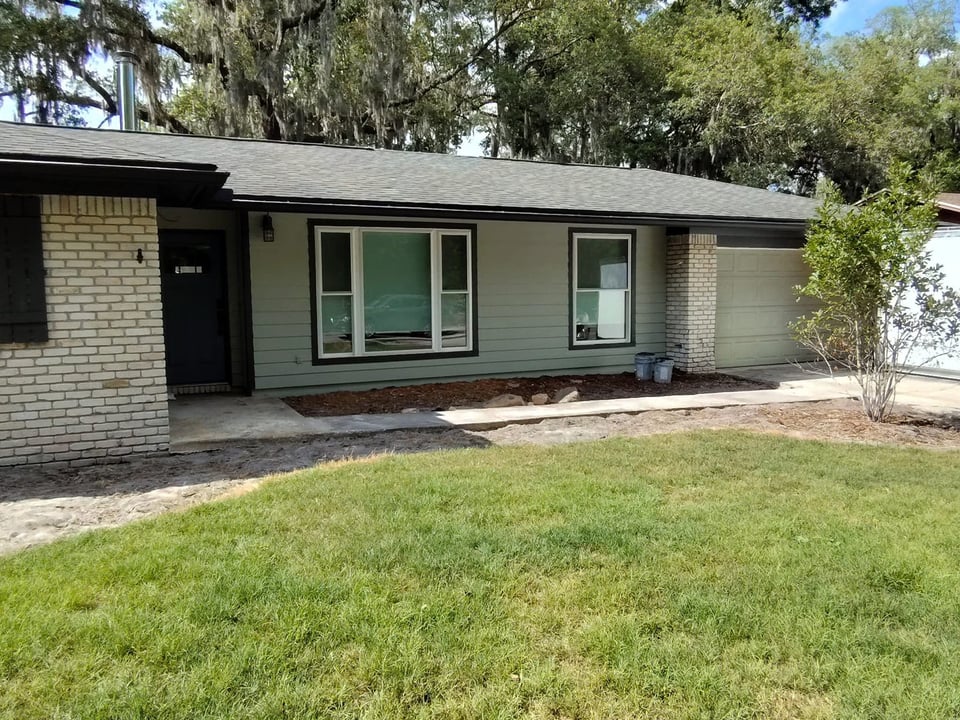
Living near the ocean in coastal Florida is a dream for many. The ocean breeze, the sound of the waves, and the year-round sunshine make areas around Jacksonville, Ponte Vedra, and the Atlantic coastline incredibly highly sought-after. However, that refreshing ocean breeze carries a hidden, highly destructive element for your home's exterior: salt air.
If you own a property within a few miles of the coast, you are likely already aware that metal fixtures rust faster and windows need cleaning more often. But what many homeowners don't realize is the devastating toll that airborne sodium chloride takes on exterior paint, stucco, and wood siding.
At Final Color Painting, we have spent nearly 25 years protecting homes against the harsh Florida environment. In this guide, we will explore exactly how salt air breaks down your home's exterior and what you can do to protect your biggest investment.
The Science Behind Salt Air Damage
The ocean is constantly churning, sending microscopic droplets of saltwater into the air. The coastal winds carry these droplets inland, depositing a fine layer of sodium chloride onto every surface of your home. While this layer is often invisible to the naked eye, it is highly corrosive.
Paint is essentially a chemical compound made of pigments (color), binders (glue), and solvents (liquid). When salt accumulates on your exterior walls, it acts as a desiccant, aggressively pulling moisture out of the paint's binding agents. Simultaneously, the salt crystals act like microscopic sandpaper when the wind blows, slowly etching away the protective topcoat of your home.
The Condensation Multiplier
In Florida, high humidity creates morning dew. When this dew mixes with the salt resting on your walls, it creates a highly concentrated saline solution that sits directly on your paint, accelerating the chemical breakdown of the finish before the afternoon sun bakes it in.
Visible Signs Your Paint is Failing from Salt Exposure
Catching salt damage early is the key to avoiding expensive structural repairs. Here are the most common signs that the coastal environment is compromising your home's exterior:
- Chalking: If you run your hand along your siding or stucco and come away with a fine, powdery white residue, the binders in your paint have broken down. The paint is no longer protecting your home.
- Fading and Discoloration: Salt crystals magnify the sun's UV rays. This combination bleaches exterior pigments incredibly fast, turning deep blues and rich grays into washed-out, dull colors.
- Blistering and Peeling: When salt breaches the paint film, it allows moisture to enter the substrate (wood or stucco). When the Florida sun heats that trapped moisture, it expands, pushing the paint outward and causing ugly bubbles and peeling.
- Rust Bleed-Through: If you see brownish-red streaks running down your painted walls, salt has likely corroded the metal flashing, nails, or light fixtures beneath or around the paint.
Why Standard Prep Work Fails on the Coast
This is the number one reason cheap paint jobs fail in coastal Florida: You cannot simply paint over salt.
If a contractor comes to your home, does a quick rinse, and starts applying paint, that new coat will peel in less than a year. Any salt left on the surface will immediately break the bond of the new primer.
At Final Color Painting, our coastal preparation process is rigorous. We utilize high-pressure washing combined with specialized, eco-friendly detergents designed specifically to dissolve and remove marine salts, mold, and mildew. We don't just clean the surface; we neutralize it so the new coatings can form an impenetrable bond.
Choosing the Right Paint for Salt Environments
Not all paints are created equal, and big-box store budget paints stand zero chance against the Atlantic coastline. To protect a coastal home, you need premium materials engineered for the environment.
100% Acrylic and Elastomeric Coatings
For coastal stucco, we highly recommend high-build 100% acrylic or elastomeric paints. These formulas are naturally flexible, meaning they can expand and contract with the intense Florida heat without cracking, and their thick, waterproof nature creates a heavy barrier against salt penetration.
Additionally, the sheen of the paint matters. Flat paints have a porous surface that traps microscopic salt crystals. Satin or semi-gloss finishes provide a smoother, harder surface, making it more difficult for salt to stick and much easier for rain to wash the salt away naturally.
Proactive Maintenance for Homeowners
Once your home is properly prepped and painted with premium coastal-grade coatings, you can extend the life of that paint job by doing a little maintenance. We recommend lightly rinsing your home's exterior with a garden hose (do not use a high-pressure nozzle) every 3 to 6 months. Rinsing the accumulated salt off the walls before it has a chance to bake into the finish can add years to the lifespan of your paint.
Trust Jacksonville's Coastal Experts
Painting a home in a high-salt environment requires specialized knowledge, meticulous preparation, and the highest quality materials. If your coastal home is beginning to show signs of chalking, fading, or peeling, putting off the project will only lead to costly stucco or wood rot repairs down the road.
At Final Color Painting, our motto is "Our colors won't bleed." We stand behind our work with comprehensive warranties because we know that our preparation and application methods are built to withstand the harshest Florida elements.
